

Cardiac MRI: Price, Purpose, Preparation & Results [2025]
Cardiac MRI helps assess the heart — a tireless organ, working around the clock to keep us going.Understanding how well your heart is functioning isn’t always possible with basic diagnostic tests alone. That’s where advanced imaging like Cardiac MRI steps in, providing a clear, detailed view of the heart’s structure and function. Especially in places like Seawoods, where the urban lifestyle combines fast-paced routines with dietary indulgence, heart health is something more individuals are paying close attention to.
At Dr. Kalkekar’s Cura Clinic, we’ve noticed a growing number of individuals opting for advanced cardiac imaging, particularly MRI scans, to get a better grasp of their heart condition. With accurate, non-invasive results and no radiation exposure, Cardiac MRI is emerging as a trusted diagnostic tool among individuals with suspected or known heart issues. This blog will explain in detail what cardiac MRI is, its importance, the preparation checklist for cardiac MRI, and the cardiac MRI cost in Seawoods, Navi Mumbai.
What is a Cardiac MRI?
A Cardiac MRI (Magnetic Resonance Imaging) is a non-invasive test that uses strong magnetic fields and radio waves to create detailed images of the heart. Unlike other tests that may use radiation, this imaging technique is completely safe and provides incredibly precise information about the heart’s anatomy, blood flow, muscle function, and even tissue damage.
If you're someone with unexplained chest pain, suspected heart muscle damage, congenital heart disease, or a need to assess prior heart surgeries, a cardiac MRI can play a significant role in diagnosis and ongoing care.
Why Cardiac MRI is Important
In an area like Seawoods, where long work hours, high stress, and processed food consumption are common, the heart often bears the brunt. A sedentary lifestyle combined with occasional indulgence in heavy street food or oily meals can contribute to underlying heart issues that don’t always present early symptoms. Cardiac MRI can detect subtle changes in the heart’s structure or function that other imaging tests may miss.
This scan is especially recommended for those with:
- Irregular heartbeats (arrhythmias)
- Congenital heart defects
- Suspected myocarditis (heart inflammation)
- Coronary artery disease
- Previous heart attacks
Cardiac MRI is also commonly used to assess the success of a past surgery or to plan for an upcoming procedure. The high-definition images allow cardiologists to view the heart in motion, identifying the root causes of symptoms more effectively. The cardiac MRI cost in Seawoods will depend on the condition for which the cardiac MRI is performed.
What Happens During a Heart MRI Scan Procedure?
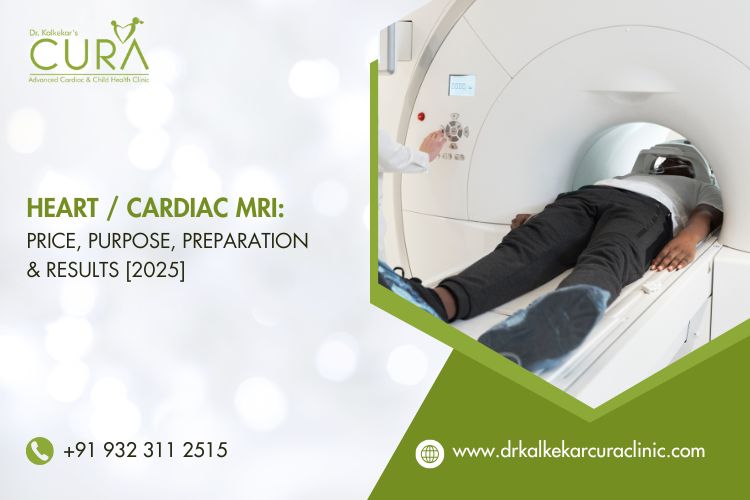
The heart MRI scan procedure typically lasts 45 minutes to an hour. Before the scan, you’ll be asked to change into a gown and remove any metal objects. The scanning machine resembles a large tube; you’ll lie on a sliding table that moves into this tube.
Here’s a basic walkthrough of the process:
- Initial Briefing: The technician will explain what to expect.
- Preparation: You may be given a contrast dye via IV, which helps certain heart structures appear more clearly on the scan.
- Positioning: You’ll be asked to lie still. Movement can blur the images.
- Breath-Holding Instructions: At times, you’ll be guided to hold your breath briefly to capture better images.
- Scan: The MRI machine will make loud noises. Don’t worry, that’s normal. Earplugs or headphones are usually provided.
It’s a painless procedure, and you’re monitored throughout. Afterward, you can usually resume daily activities unless instructed otherwise.
How to Prepare: MRI Heart Preparation Checklist
When it comes to MRI heart preparation, there are a few important things to know:
- Clothing: Wear comfortable clothing or be prepared to change into a gown.
- Fasting: Depending on whether contrast dye will be used, you may be asked not to eat or drink for a few hours before the scan.
- Medications: Inform your doctor about any current medications, especially if you’re on heart medicines or blood thinners.
- Metallic Objects: Remove all metallic items, including jewelry, watches, and belts.
- Medical Implants: Always inform the radiologist if you have any implants like pacemakers, metal valves, or cochlear implants.
Being well-prepared ensures clearer images and reduces the time needed to complete the scan.
What the Results Reveal
The images obtained from a heart MRI provide insights into:
- Heart chambers and walls: Whether they are functioning as they should
- Blood flow and blockages: Evaluates if there’s an adequate supply to various parts of the heart
- Tissue damage: Identifies if the muscle has been affected by a heart attack or inflammation
- Congenital issues: Detects any structural abnormalities from birth
A cardiologist, such as Dr. Sanjeevkumar Kalkekar at Cura Clinic, will analyze the results and correlate them with your symptoms, physical examination, and medical history to provide an accurate diagnosis.
Location-Specific Insights: Cardiac Care in Seawoods
Living in Seawoods, Navi Mumbai, offers a blend of fast urban development and relatively good air quality, but heart concerns are still prevalent. The increasing availability of high-calorie fast food and busy work schedules, combined with minimal physical activity, contribute to lifestyle-induced cardiac issues. Moreover, Seawoods’ humid climate during the monsoon and high temperatures in summer may occasionally exacerbate heart conditions in vulnerable individuals.
At Dr. Kalkekar’s Cura Clinic in Seawoods, we’ve seen a rise in individuals between 30 and 50 years opting for preventive cardiac scans. This shift is encouraging, as early detection can significantly improve heart health outcomes.
How Cardiac MRI Differs from Other Scans
| Scan Type | Radiation | Imaging Detail | Use Case |
|---|---|---|---|
| ECG | No | Basic electrical activity | Initial screening |
| 2D Echo | No | Ultrasound-based | Wall motion & valve assessment |
| CT Angiography | Yes | Excellent for vessels | Detecting blockages |
| Cardiac MRI | No | High resolution & functional detail | Structural & tissue analysis |
As you can see, heart MRI stands out in offering a holistic view of your heart without using radiation, making it suitable even for individuals who require repeated scans.
FAQs
1. How long does a cardiac MRI take?
A cardiac MRI typically takes between 45 minutes to an hour. The time may vary slightly depending on whether a contrast dye is used and the number of images that need to be captured. The process is safe, and individuals are monitored throughout the scan.
2. Is a cardiac MRI safe for everyone?
Yes, Heart MRI is generally safe. However, individuals with metal implants such as pacemakers or certain valve prostheses should inform their doctor beforehand. The magnetic field can interfere with some medical devices.
3. What are some common reasons to get a cardiac MRI?
Heart MRI is often recommended for individuals with suspected heart muscle inflammation, congenital heart defects, previous heart attacks, or irregular heartbeat. It’s also used to evaluate the effectiveness of past surgeries or guide future interventions.
4. What are the things to avoid after cardiac MRI?
Most individuals can resume normal activities right after a heart MRI. However, if contrast dye was used, staying hydrated is recommended to help flush it out. Avoid intense physical activity for a few hours and follow any specific advice provided by your cardiologist.
5. What makes Cura Clinic in Seawoods an ideal place for cardiac imaging?
If you are from Navi Mumbai, we at Dr. Kalkekar’s Cura Clinic offer advanced and ethical cardiac care, including detailed imaging like heart MRI. With Dr. Sanjeevkumar Kalkekar’s vast experience and the clinic’s state-of-the-art technology, you receive precise, individualized care in a comfortable environment.
6. Do I need to fast before a cardiac MRI?
If your heart MRI includes the use of contrast dye, your doctor may ask you to fast for about 4 hours before the test. It’s always best to follow the instructions given by your diagnostic center or clinic.
7. Is cardiac MRI painful or uncomfortable?
Not at all. The procedure is non-invasive and painless. You may hear loud tapping or thumping noises during the scan, which is completely normal. Earplugs or headphones are usually provided to ensure comfort.
8. Can a cardiac MRI detect blockages in arteries?
While heart MRI gives an excellent view of heart muscles, chambers, and blood flow, it is not the gold standard for detecting arterial blockages. For that, CT angiography or traditional angiography might be more appropriate. However, MRI can still give indirect clues about impaired blood flow.
Stay ahead of your heart health
If you live in or around Seawoods and are looking for a trusted place to understand your heart better, we at Dr. Kalkekar’s Cura Clinic offer safe and comprehensive cardiac MRI services with accurate results and compassionate care.