

Causes & Risks of Early Heart Attacks in Indians
Heart disease was once considered a problem of old age. Something that happened after retirement. After sixty. After a long life.
Today, that belief no longer holds true.
Across India, more people in their 30s and 40s are facing cardiac emergencies that were once seen decades later. Families are shocked. Colleagues are stunned. Young, active individuals suddenly find themselves in intensive care.
The rise of early heart attacks in Indians is not an exaggeration. It is a serious and growing reality. And understanding why this is happening is the first step toward preventing it.
At Dr. Kalkekar's Cura Clinic, awareness is not about creating fear. It is about helping people act before it is too late.
What Does “Early” Really Mean?
A heart attack is considered early when it happens:
- Before 55 years in men
- Before 65 years in women
- Increasingly, even before 45, in many Indian cases
In India, heart attacks are occurring nearly 10 years earlier compared to Western populations.
That gap is significant.
It tells us something is different about our risk factors.
Why Are Indians More Vulnerable?
There is no single cause. It is a combination of genetics, lifestyle, and environmental factors.
1. The Genetic Factor
Indians are genetically predisposed to:
- Higher levels of bad cholesterol (LDL)
- Lower levels of good cholesterol (HDL)
- Increased tendency for central obesity (fat around the abdomen)
Even individuals who look “thin” may carry hidden fat around organs. This is often called “thin-fat Indian phenotype.”
This genetic makeup increases the risk of early heart attacks in Indians, even when outward appearance seems normal.
2. Rising Diabetes at Younger Ages
India is often referred to as the diabetes capital of the world.
High blood sugar damages blood vessels over time. It accelerates plaque buildup inside arteries.
Key concern:
- Many Indians develop Type 2 diabetes in their 30s
- Some are diagnosed only after a cardiac event
Uncontrolled diabetes significantly increases heart attack risk.
3. High Blood Pressure That Goes Unnoticed
Hypertension is often silent.
There may be no pain, no visible signs, and no discomfort.
Yet high pressure continuously strains the heart and arteries.
Routine screening is essential, especially if there is a family history.
Consulting a qualified heart specialist in Navi Mumbai, like Dr. Sanjeev Kalkekar at Dr. Kalkekar’s Cura Clinic, can help identify early warning signs before damage becomes severe.
Lifestyle Shifts That Are Costing Us
Modern life has changed rapidly. Our bodies have not adapted at the same pace.
Sedentary Routine
- Long office hours
- Screen-based work
- Minimal physical activity
- Limited outdoor movement
Sitting for extended periods slows metabolism and promotes fat accumulation.
Food Habits That Add Risk
Urban diets often include:
- Refined carbohydrates
- Deep-fried snacks
- High salt intake
- Sugary beverages
Eating out frequently adds hidden sodium and unhealthy fats.
Over time, arteries begin to narrow due to plaque buildup.
Chronic Stress
Stress is not just emotional. It triggers chemical changes inside the body.
- Increased cortisol
- Elevated blood pressure
- Faster heart rate
Work pressure, financial stress, family responsibilities, and lack of sleep all contribute to it.
Young professionals are particularly vulnerable.
Smoking and Tobacco Use
Even occasional smoking damages blood vessels.
Effects include:
- Narrowing of arteries
- Increased clot formation
- Reduced oxygen supply to the heart
Tobacco in any form increases the risk of early cardiac events.
When combined with diabetes or high blood pressure, the danger multiplies.
Warning Signs Often Ignored
One major reason behind early heart attacks in Indians is delayed response.
Symptoms are sometimes dismissed as:
- Gas
- Acidity
- Muscle strain
- Fatigue
Common warning signs include:
- Chest pressure or tightness
- Pain radiating to the left arm or jaw
- Shortness of breath
- Excessive sweating
- Sudden nausea
In younger individuals, symptoms may be milder. This leads to dangerous delays in seeking care.
Immediate medical evaluation can save the heart muscle and prevent permanent damage.
Silent Risk Factors in Young Adults
Not everyone who suffers a heart attack has obvious symptoms beforehand.
Hidden risk indicators include:
| Risk Factor | Why It Matters |
|---|---|
| Family history | Genetic tendency increases risk |
| High triglycerides | Promotes plaque buildup |
| Low HDL cholesterol | Less protection against blockage |
| Abdominal obesity | Strong link to cardiac disease |
| Sleep apnea | Repeated oxygen drops strain the heart |
Routine health check-ups can detect these risks early.
The Role of Inflammation
Recent studies show that inflammation plays a major role in artery damage.
Triggers include:
- Pollution exposure
- Processed food
- Chronic infections
- Poor sleep
Inflamed arteries are more prone to rupture and clot formation.
This adds another layer to the complexity of early heart attacks in Indians.
Why Are Heart Attacks More Severe in Young Indians?
Younger patients often experience:
- Sudden, complete artery blockage
- Larger clot formation
- More aggressive plaque
In some cases, there may be no prior warning.
Because younger arteries are otherwise flexible, a sudden blockage can cause significant damage quickly.
Early intervention through proper heart treatment in Seawoods, such as the one provided at Dr. Kalkekar’s Cura Clinic, improves survival and recovery outcomes.
How Can Risk Be Reduced?
Prevention does not require drastic measures. It requires consistency.
Daily Habits That Protect Your Heart
- 30 minutes of brisk walking
- Balanced home-cooked meals
- Limiting fried and processed foods
- Regular sleep schedule
- Stress management techniques
Small changes create long-term protection.
Medical Screening Recommendations
After age 30, consider:
- Lipid profile once a year
- Blood sugar testing
- Blood pressure monitoring
- ECG if symptoms arise
Earlier screening may be necessary if there is a strong family history.
At Dr. Kalkekar's Cura Clinic, structured heart evaluations help identify risks before they escalate.
Women and Early Heart Risk
Heart disease in women is often under-recognized.
Symptoms may differ:
- Unusual fatigue
- Back pain
- Indigestion-like discomfort
- Breathlessness
Hormonal changes after menopause further increase risk.
Awareness among women is equally important.
Mental Health and Cardiac Health
Anxiety and depression are linked to heart disease.
They can lead to:
- Poor lifestyle choices
- Skipped medications
- Increased inflammation
Emotional health and heart health are deeply connected.
Taking care of mental well-being is not optional. It is protective.
When to Seek Immediate Help
Do not wait if there is:
- Persistent chest discomfort lasting more than 10 minutes
- Pain spreading to the shoulder or arm
- Sudden breathlessness
- Fainting
Time lost is heart muscle lost.
Emergency care reduces complications and improves survival.
A Reality That Needs Attention
The pattern of early heart attacks in Indians reflects a shift in how we live, eat, and manage stress.
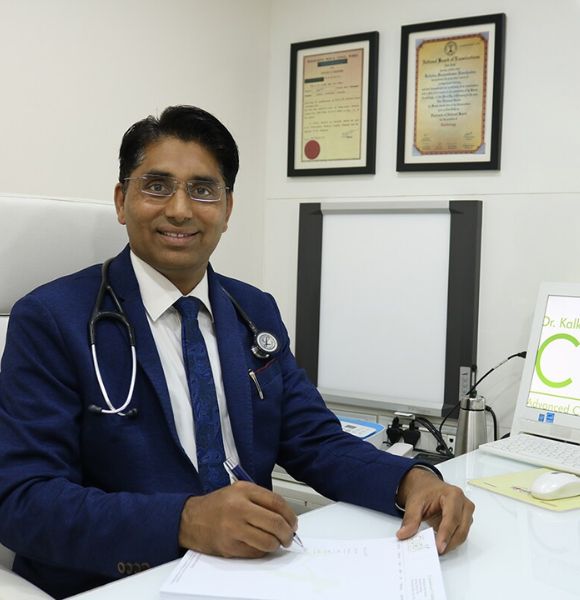
It is not about age alone anymore. Dr. Sanjeev Kalkekar, a leading heart specialist in Navi Mumbai at Dr. Kalkekar's Cura Clinic, frequently sees younger patients who were unaware of their underlying risks.
It is about:
- Metabolic health
- Genetic awareness
- Timely check-ups
- Responsible lifestyle choices
Many cardiac events are preventable when risks are identified early.
At Dr. Kalkekar's Cura Clinic, the goal is simple:
- Detect risks early
- Educate families
- Provide timely care
- Reduce avoidable tragedies.
The heart rarely fails without warning. Listening to it, understanding it, and acting early can make all the difference.
Name: Dr. Kalkekar's CURA Advanced Cardiac & Child Health Clinic
Address: New Horizon CHS, Plot no. 1,2 & 3, near Navratna Restaurant, Sector 46, Seawoods, Navi Mumbai, Maharashtra 400706
Phone: +91 9323112515