

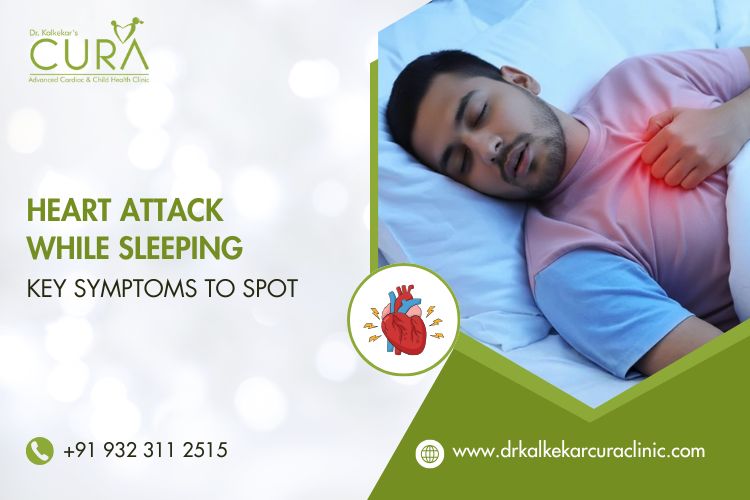
Heart Attack While Sleeping: Key Symptoms to Spot
Most people don’t expect anything unusual to happen while they’re sleeping. The body is resting, the mind is quiet, and the day finally feels behind you. But for some individuals, the night is when symptoms of heart stress become most noticeable, often subtle, often ignored, but important to understand.
At Dr. Kalkekar’s Cura Clinic in Seawoods, many patients describe waking up with discomfort they couldn’t explain at first: a heaviness in the chest, sudden breathlessness, or restlessness they’ve never experienced before. These signs aren’t always intense, yet they can point to early warning signals the heart gives during sleep.
If you’re exploring heart treatment in Seawoods, knowing how night-time symptoms present themselves can help you respond sooner and more confidently. Recognising these signs early not only reduces risk but ensures you get the right care at the right time.
Why Night-Time Heart Attacks Happen More Often Than We Think
The heart works 24/7. But at night, things shift inside the body:
- Blood pressure drops, sometimes too much, affecting blood flow to the heart.
- Hormone levels change, especially cortisol, which influences how blood vessels behave.
- The body goes into repair mode, meaning oxygen demand changes.
- People ignore symptoms more easily because they assume it’s gastric discomfort or bad sleep.
Put all of this together and the heart sometimes struggles silently, especially in people with undiagnosed blockages, diabetes, high stress, or long-term lifestyle habits like smoking.
Night-Time Symptoms You Should Never Overlook
Here’s the tricky part: symptoms during sleep don’t always feel like “classic chest pain.” Some are so subtle that you might sit up in bed wondering if it’s just acidity from the late-night snack you shouldn’t have eaten.
1. Sudden Chest Discomfort That Wakes You Up
It may not be sharp pain. It can feel like:
- A heavy weight
- Tight squeezing
- Pressure radiating to your shoulder or arm
If it wakes you up, it deserves attention.
2. Unusual Breathlessness
Not the “I ran up the stairs too fast” breathlessness. This is a sudden struggle to breathe while lying down, often relieved when you sit up. Many patients describe it as “feeling like someone turned off the air around me.”
3. Cold Sweating at Night
Waking up drenched with sweat despite a cool room? That can be a sign the heart is under stress.
4. Jaw, Back, or Shoulder Pain
Night-time heart attacks often show signs away from the chest. Women, especially, may feel:
- Jaw tension
- Upper back heaviness
- Pain between the shoulder blades
5. Sudden Night Panic Without a Clear Reason
A heart struggling for oxygen triggers an adrenaline response. This can make you wake up with:
- A jolt
- A feeling of doom
- Racing pulse
People often confuse this with a nightmare. But if it happens repeatedly, get it checked.
6. Nausea or Indigestion That Doesn’t Feel Right
Indian households love blaming everything on “gas.” But when stomach discomfort wakes you up, accompanied by chest tightness or sweating, it’s a symptom worth taking seriously.
What Really Causes Heart Trouble During Sleep
You’d be surprised how everyday habits affect your heart at night:
• Heavy, oily dinners
Late-night biryanis, pakoras, and ghee-rich meals make digestion tougher and increase cardiac load.
• Smoking before bed
It restricts blood vessels and decreases oxygen levels.
• Stressful lifestyle
Long working hours, emotional strain, and lack of rest keep the nervous system on high alert.
• Untreated medical conditions
- Diabetes
- High cholesterol
- Blood pressure issues
- Sleep apnea
• Lack of activity
The heart becomes less efficient when physical movement is low.
Understanding these triggers helps explain why Dr. Kalkekar’s Cura Clinic provides heart treatment in Seawoods that focuses not just on medication but also on strengthening everyday routines.
When Should You Seek Immediate Help?
Here’s a simple thumb rule used by experienced cardiologists at Dr. Kalkekar’s Cura Clinic:
“If a symptom wakes you up, don’t ignore it.”
Especially if any of these occur:
- Pain lasting more than 10 minutes
- Breathlessness or choking sensation
- Fainting or extreme dizziness
- Pain radiating to the jaw, arm, or back
In such cases, don’t wait till morning. Night-time delays can make daytime treatments much harder.
Tests Your Doctor May Recommend (Simple, Quick & Painless)
If you visit a cardiologist after a nighttime scare, they may suggest:
1. ECG (Electrocardiogram)
Checks the electrical activity of the heart.
2. Echocardiogram
Shows pumping strength and valve condition.
3. Blood Tests
Including troponin levels to rule out muscle damage.
4. Stress Test
Assesses how the heart performs during activity.
5. CT Coronary Angiography
A more detailed look at blockages, if needed.
At Dr. Kalkekar’s Cura Clinic in Seawoods, these tests are conducted with modern equipment, ensuring quick and clear results.
Lifestyle Habits That Make Night-Time Heart Attacks More Likely
A lot of people unknowingly set up “heart traps” in their everyday routine:
- Eating too late at night
- Sleeping immediately after dinner
- High caffeine intake in the evening
- Chronic dehydration
- Skipping regular walks
- Ignoring blood pressure fluctuations
These habits seem harmless, but can push the heart when it’s least prepared.
What You Can Do at Home to Protect Your Heart
You don’t need dramatic lifestyle changes. Small efforts go a long way:
- Have dinner at least 2–3 hours before sleeping.
- Reduce stress through deep breathing or meditation.
- Stay hydrated through the day.
- Include gentle exercise, even a 20-minute walk counts.
- Avoid smoking and limit alcohol.
- Keep medical conditions like diabetes under control.
- Get regular check-ups for heart treatment in Seawoods if you’re at risk.
Think of these habits as tiny investments your heart will thank you for.
Frequently Asked Questions
1. Can a heart attack really happen without chest pain?
Yes, many nighttime heart attacks present as breathlessness, sweating, or jaw/back pain, especially in women or diabetic patients. These symptoms can sometimes be mistaken for other conditions, but it’s essential not to ignore them. If you experience any of these, seek immediate medical advice.
2. How do I know if it’s acidity or a heart issue?
Acidity usually stays in the chest or throat and improves with antacids. Heart-related discomfort may wake you up, spread to your arm, jaw, or back, or come with sweating and breathlessness. If you’re unsure, treat it as a heart concern and get checked. Only a doctor can confirm the difference safely.
3. How often should I get screened?
For people above 30 or those with known risk factors like diabetes, high blood pressure, or a family history of heart disease, annual check-ups are important. Regular heart screenings help detect potential issues before they become more serious. Clinics like Dr. Kalkekar’s Cura Clinic in Seawoods make it easy to schedule these essential check-ups.
Your Heart Deserves Attention, Not Assumptions
Night-time symptoms aren’t meant to be brushed aside. If your body wakes you up, it’s trying to tell you something.
If you feel uncertain, anxious, or want clarity about your heart health, reaching out to a specialist for heart treatment in Seawoods is one of the most reassuring steps you can take.
At Dr. Kalkekar’s Cura Clinic, patients often say they wish they had gotten checked sooner, not because something was wrong, but because peace of mind is priceless.
Listen to your heart a little earlier. It makes everything else in life easier.