

Learn the Early Warning Signs of Atrial Fibrillation
The human heart is an incredibly well-orchestrated machine. It beats steadily, rhythmically, and with purpose. But what happens when that rhythm is thrown off? When your heart starts to flutter, race, or beat irregularly, it may not just be stress or fatigue. One condition that’s often overlooked, until it demands urgent attention, is atrial fibrillation.
If you’ve ever felt your heart skip a beat (literally), it’s worth paying attention. If you are from Seawoods or the surrounding areas, we at Dr. Kalkekar’s Cura Clinic offer advanced, compassionate atrial fibrillation treatment in Seawoods, tailored for every stage of the condition.
What is Atrial Fibrillation?
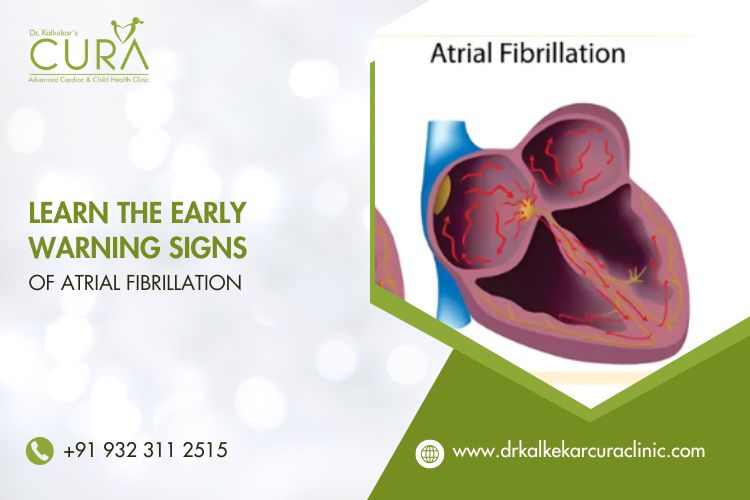
Atrial fibrillation, often called AFib or AF, is a type of arrhythmia, which means the heart beats out of its normal rhythm. Instead of a steady, coordinated beat, the upper chambers of the heart (the atria) begin to quiver or flutter. This irregular rhythm can cause blood to pool, leading to a higher risk of clot formation, stroke, or heart failure if not addressed in time.
AFib can be occasional, persistent, or permanent. But regardless of the type, it interferes with how well the heart pumps blood. And when your heart isn’t pumping effectively, it can affect everything, from energy levels to how your brain functions.
Some individuals may not feel anything unusual, while others might experience strong physical symptoms. But whether it’s silent or dramatic, AFib needs attention.
Atrial Fibrillation Signs and Symptoms
One of the trickiest things about AFib is how differently it shows up in each person. For some, it feels like a full-blown heart episode. For others, it might pass like a vague sense of uneasiness. Knowing the possible early signs can make a big difference.
Here are the most commonly observed atrial fibrillation signs and symptoms:
- Heart Palpitations: A racing, pounding, or irregular heartbeat that feels sudden and intense.
- Fatigue: A deep sense of tiredness, even without exertion, that doesn’t go away with rest.
- Shortness of Breath: Especially noticeable during activities that didn’t used to cause breathlessness.
- Chest Discomfort: A dull ache, tightness, or fluttering sensation in the chest.
- Dizziness or Light-headedness: Feeling faint, woozy, or unsteady on your feet.
- General Weakness: Not feeling like your usual self, or struggling with daily activities.
These symptoms can be subtle or sudden, constant or come-and-go. That unpredictability is part of what makes AFib so tricky. It’s easy to write off these signs as stress, dehydration, or aging. But your heart could be trying to tell you something more.
Why Early Detection Matters
The problem with atrial fibrillation isn’t just the irregular heartbeat. It’s the complications that can arise if it’s left unchecked. Blood clots formed during AFib episodes can travel to the brain, causing a stroke. In fact, individuals with AFib are about five times more likely to suffer a stroke.
Over time, if the heart continues to beat irregularly, it can weaken the heart muscle. This may lead to heart failure, where the heart can’t pump blood as efficiently. That’s why it’s so important to detect AFib in its early stages, even before symptoms feel disruptive.
At Dr. Kalkekar’s Cura Clinic, our focus is on proactive care. We use a combination of tools, such as ECG, 2D Echo, Holter monitoring, and lifestyle assessments, to build a full picture of your heart’s function and catch irregularities before they become emergencies.
What Causes Atrial Fibrillation?
Atrial fibrillation doesn’t have just one cause. It’s usually the result of several risk factors or underlying health issues that either stress or damage the heart. Here are some of the common culprits:
- High Blood Pressure: A major contributor to AFib, especially when untreated.
- Heart Disease: Including coronary artery disease and prior heart attacks.
- Thyroid Issues: An overactive thyroid can send the heart into overdrive.
- Sleep Apnea: Interruptions in breathing at night can strain the heart.
- Heavy Alcohol Use: Excessive drinking, especially binge drinking, can trigger episodes.
- Stimulants: Too much caffeine, nicotine, or certain medications.
- Stress and Anxiety: Emotional strain can act as a trigger.
- Age: Risk increases as we get older, particularly over 65.
Interestingly, in some cases, no obvious cause is found. This is called “lone AFib,” and it can affect people who are otherwise healthy.
How Is Atrial Fibrillation Treated?
There’s no one-size-fits-all treatment for AFib. It depends on how often episodes occur, how severe the symptoms are, and whether any other heart conditions are present. At Cura Clinic, we offer comprehensive atrial fibrillation treatment in Seawoods, designed around your specific needs.
Treatment usually falls into three categories:
- Rhythm Control: This approach aims to restore the heart to its natural rhythm. Medications, electrical cardioversion, or procedures like catheter ablation are used to get the heart beating regularly again.
- Rate Control: Sometimes, instead of restoring rhythm, the goal is to slow down the heartbeat to prevent stress on the heart. This makes AFib less taxing on the body.
- Stroke Prevention: Because of the clot risk, blood thinners are often recommended. These reduce the chances of clots forming and traveling to the brain.
We also integrate lifestyle guidance, because managing AFib isn’t just about procedures. It’s about understanding the triggers and making gradual, sustainable changes that support heart health.
Can Atrial Fibrillation Be Cured?
It’s a natural question: can atrial fibrillation be cured?
The answer depends on what’s causing the AFib and how advanced it is. In cases where AFib is triggered by a reversible cause (like excess alcohol, stress, or a thyroid condition), treating the root issue can eliminate the arrhythmia. For some, a procedure like catheter ablation may offer long-term freedom from symptoms.
However, for others, especially those with chronic or structural heart issues, “cure” might not be the right word. But it can absolutely be controlled.
With modern technology, careful monitoring, and personalized treatment, many people can live full, active lives with AFib. The key is recognizing it early and managing it wisely.
FAQs: Understanding Atrial Fibrillation Better
Q1. Can atrial fibrillation go away on its own?
Yes, in some individuals, especially with paroxysmal AFib, the episodes can resolve on their own. However, it’s not something you should ignore. Even brief episodes can increase stroke risk. That’s why regular monitoring and a thorough evaluation are important, even if you feel fine now.
Q2. Is atrial fibrillation dangerous if it’s not causing any pain?
Definitely. Pain isn’t the only warning sign your heart gives. Some individuals with AFib feel completely fine but are still at risk for blood clots, stroke, or weakened heart function. Silent AFib is especially concerning because it may go unnoticed until serious complications occur. Routine heart check-ups help detect these issues early.
Q3. What is the success rate of catheter ablation for AFib?
On average, catheter ablation has a 70–80% success rate, particularly for those with paroxysmal (occasional) AFib. For persistent AFib, the success rate can be lower, but it’s still a highly effective option when medications aren’t enough. The procedure is minimally invasive and focuses on targeting the exact source of the irregular rhythm.
Q4. Can I exercise if I have atrial fibrillation?
In most cases, yes. Physical activity is actually beneficial for heart health and may reduce AFib episodes over time. However, the type and intensity of exercise should match your condition. Low-impact aerobic activities like walking, swimming, or cycling are usually safe. Avoid overexertion or sudden intense workouts without guidance from your cardiologist.
Q5. How can I lower my chances of developing atrial fibrillation?
Preventing AFib starts with taking care of your heart every day. This includes managing blood pressure, keeping cholesterol under control, maintaining a healthy weight, getting quality sleep, and staying physically active. Avoiding smoking, excess alcohol, and highly processed foods can also go a long way. Stress management through yoga, meditation, or therapy can help too.
A skipped heartbeat in real life is not poetic, but concerning
If you’ve been wondering about that skipped heartbeat or persistent fatigue, don’t ignore it. We at Dr. Kalkekar’s Cura Clinic offer compassionate and cutting-edge atrial fibrillation treatment in Seawoods to guide you toward heart health with confidence.