

What are the biggest threats to a baby in the first 28 days?
The hospital sends you home with a baby, a folder of discharge papers, and the quiet assumption that you now know what you're doing. Most first-time parents stand in their own living room holding their newborn and realize, with some alarm, that they absolutely do not.
The first 28 days of life are the most sensitive phase a baby goes through. During this time, the body is adjusting rapidly, from breathing independently to developing early immunity. Since babies cannot express discomfort clearly, even small changes can matter.
Understanding the threats to a baby in the first 28 days is not about creating fear. It is about knowing what to notice and when to act. At Dr. Kalkekar’s Cura Clinic, our approach to neonatal care focuses on helping parents feel informed, aware, and prepared during this crucial phase.
Why the First Seven Days Carry the Highest Risk
The early neonatal period, the first seven days after birth, is when the transition from womb to world is the most physically demanding. The baby's organs are functioning for the first time without the support of the placenta, and the margin for error is narrow.
The biggest threats to newborn in neonatal period during these first seven days include:
- Birth asphyxia: Insufficient oxygen during or immediately after delivery affecting brain and organ function
- Hypothermia: Newborns lose heat rapidly and cannot regulate their own body temperature effectively
- Hypoglycemia: Low blood sugar, especially in babies who are small for gestational age or born to diabetic mothers
- Respiratory distress: Lungs that haven't fully matured or cleared fluid from delivery
- Early-onset infection: Bacteria acquired during delivery that can progress to sepsis within hours
Newborn care first-week tips from our clinic always start with one principle: when in doubt, call. The early neonatal period first 7 days is not the time to wait and see.
Infection: The Threat That Looks Like Nothing at First
Neonatal sepsis remains one of the most serious threats to a baby in the first 28 days, and it often begins quietly. A newborn may not develop a clear fever. Instead, they may appear unusually sleepy, feed less, or seem less active than usual.
The newborn immune system is still developing and does not respond as strongly as an older child’s. Because of this, even a mild infection can progress quickly if not identified early.
Watch for these signs:
- Temperature below 36.5°C or above 38°C
- Poor or weak feeding
- Excessive sleepiness or difficulty waking
- Fast breathing or grunting
- Pale, bluish, or mottled skin
- Changes in the soft spot on the head
- Redness or discharge from the umbilical stump
Note: If two or more of these symptoms appear together, it may indicate a serious infection. Immediate medical attention is necessary.
Newborn Danger Signs Every Parent Must Know
This section is one we cover at every postnatal consultation at our clinic because it saves lives. Parents who know these signs act faster, and faster action is what changes outcomes.
| Danger Sign | What It May Indicate | Action Required |
|---|---|---|
| Not feeding for more than 3 to 4 hours | Infection, low blood sugar, neurological issue | Call your pediatrician immediately |
| Newborn breathing problems signs: fast, labored, or grunting breathing | Respiratory distress, infection | Emergency care |
| Skin color changes: blue lips, pale or mottled skin | Oxygen or circulation problem | Emergency care |
| High-pitched or unusually weak cry | Neurological concern, pain, infection | Same-day assessment |
| Seizure-like movements or stiffening | Neurological emergency | Emergency care |
| Yellow skin spreading to the chest or legs | Jaundice progressing beyond safe levels | Same day assessment |
| Fever above 38°C or temperature below 36.5°C | Possible infection | Same day or emergency |
| Sunken or bulging fontanelle | Dehydration or increased brain pressure | Emergency care |
Knowing these newborn danger signs every parent must know is the difference between catching a problem early and arriving at a hospital when the situation has already escalated.
Jaundice: Common But Not Always Harmless
Jaundice is one of the common threats to a baby in the first 28 days. Nearly sixty percent of full-term newborns develop jaundice in the first week. Mild cases resolve with adequate feeding. The risk comes when bilirubin levels climb too high, leading to kernicterus, a preventable form of brain damage. Jaundice in the first 24 hours is never normal and needs same-day review.
We monitor jaundice at every newborn visit as part of neonatal care at Dr. Kalkekar's Cura Clinic in Seawoods, Navi Mumbai. When in doubt, don't wait. Dr. Shruti Kalkekar, a child specialist in Seawoods, is available for same-day assessments.
Breastfeeding Newborn Problems First Month: When Feeding Becomes a Risk Factor
Feeding difficulties are among the most underestimated and biggest threats to newborn in neonatal period. A newborn who is not feeding adequately is at risk for dehydration, low blood sugar, worsening jaundice, and poor weight gain, all of which carry their own complications.
Breastfeeding newborn problems first month that we frequently see:
- Poor latch leading to inadequate milk transfer despite the mother producing milk
- Tongue tie is affecting the baby's ability to feed effectively
- Maternal milk coming in late, leaving the baby with insufficient intake in the early days
- A sleepy baby who doesn't wake reliably for feeds
Newborn care first-week tips on feeding: A newborn should feed 8 to 12 times in 24 hours. Weight loss of more than ten percent of birth weight, or failure to return to birth weight by two weeks, needs clinical evaluation.
Preterm Baby Care at Home: A Different Set of Rules
A baby born before 37 weeks carries additional threats to a baby in the first 28 days compared to a full-term newborn. The lungs, gut, immune system, and temperature regulation are all less developed, and the risks are proportionally higher.
Preterm baby care at home requires:
- Kangaroo mother care: skin-to-skin contact between the baby and parent for extended periods daily. Kangaroo mother care has strong clinical evidence behind it for improving temperature stability, feeding, weight gain, and reducing infection risk in preterm babies.
- Strict temperature monitoring, keeping the room warm and the baby layered appropriately
- More frequent feeding with closer monitoring of intake and weight
- Avoiding visitors and crowds in the early weeks, given how limited the newborn immune system is in preterm babies
- Immediate medical review for any of the danger signs listed above, with a lower threshold for concern than with full-term babies
Kangaroo mother care is one of the most evidence-backed interventions available to parents of preterm babies, and it costs nothing beyond time and consistency.
Monsoon Newborn Care: An Additional Layer of Risk
For families in Navi Mumbai, if your child is born during the monsoon months, along with the threats to a baby in the first 28 days, monsoon newborn care introduces specific considerations beyond standard neonatal precautions.
- Humidity increases the risk of fungal skin infections in the neck folds, armpits, and diaper area
- Waterlogging and flooding can disrupt access to medical care during an emergency
- Viral infections circulate more actively during monsoon, and the immature newborn immune system has limited defence
- Keeping the home adequately warm during cool monsoon nights is important for temperature regulation
Monsoon newborn care at our clinic includes a specific checklist we go through with parents during the discharge consultation for babies born in June through September.
FAQs
What are the danger signs in a newborn that mean I should go to the hospital immediately?
Breathing difficulty, bluish lips, seizures, fever above 38°C, not feeding for four or more hours, or a bulging fontanelle all need emergency care. These newborn danger signs every parent must know can worsen within hours without treatment.
How do I know if my newborn is in danger?
Changes in feeding, breathing, skin colour, or activity level are the earliest indicators. A baby harder to wake than usual, or suddenly refusing feeds, warrants an immediate call to your pediatrician.
What are the biggest risks for a newborn in the first month?
The biggest threats to a baby in the first 28 days are sepsis, respiratory problems, jaundice, feeding difficulties, and hypothermia. Preterm babies face each of these at a higher level due to organ immaturity.
My newborn was quiet at birth and didn't cry. What does that mean?
A baby who doesn't cry at birth may need airway clearance or oxygen support, and the delivery team manages this immediately. A baby who cried normally at birth but develops a weak or absent cry in the days after needs same-day assessment.
What dangers of the neonatal period do first-time parents most often miss?
Poor feeding is one of the biggest threats to a baby in the first 28 days. It is the most missed warning sign because a baby feeding inadequately can look settled and sleepy. Inadequate feeding in the early neonatal period first 7 days, directly drives jaundice, dehydration, and low blood sugar.
What the First 28 Days Ask of You as a Parent
The threats to a baby in the first 28 days are real, but they are also largely manageable when parents are informed and have access to a pediatrician they can reach when something doesn't feel right.
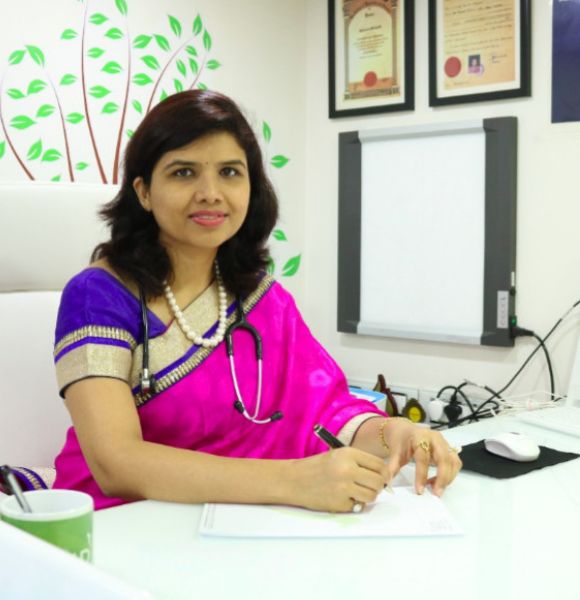
At Dr. Kalkekar's Cura Clinic, Dr. Shruti Kalkekar, a child specialist in Seawoods Navi Mumbai, approaches neonatal care with the understanding that a supported parent is the best protection for a newborn. The clinical monitoring we provide in those early weeks is one part of the equation. The other part is making sure you leave every visit knowing exactly what to watch for and exactly when to call us.
The first 28 days ask a lot of new parents. We're here to make sure you don't face them without the information you need.